
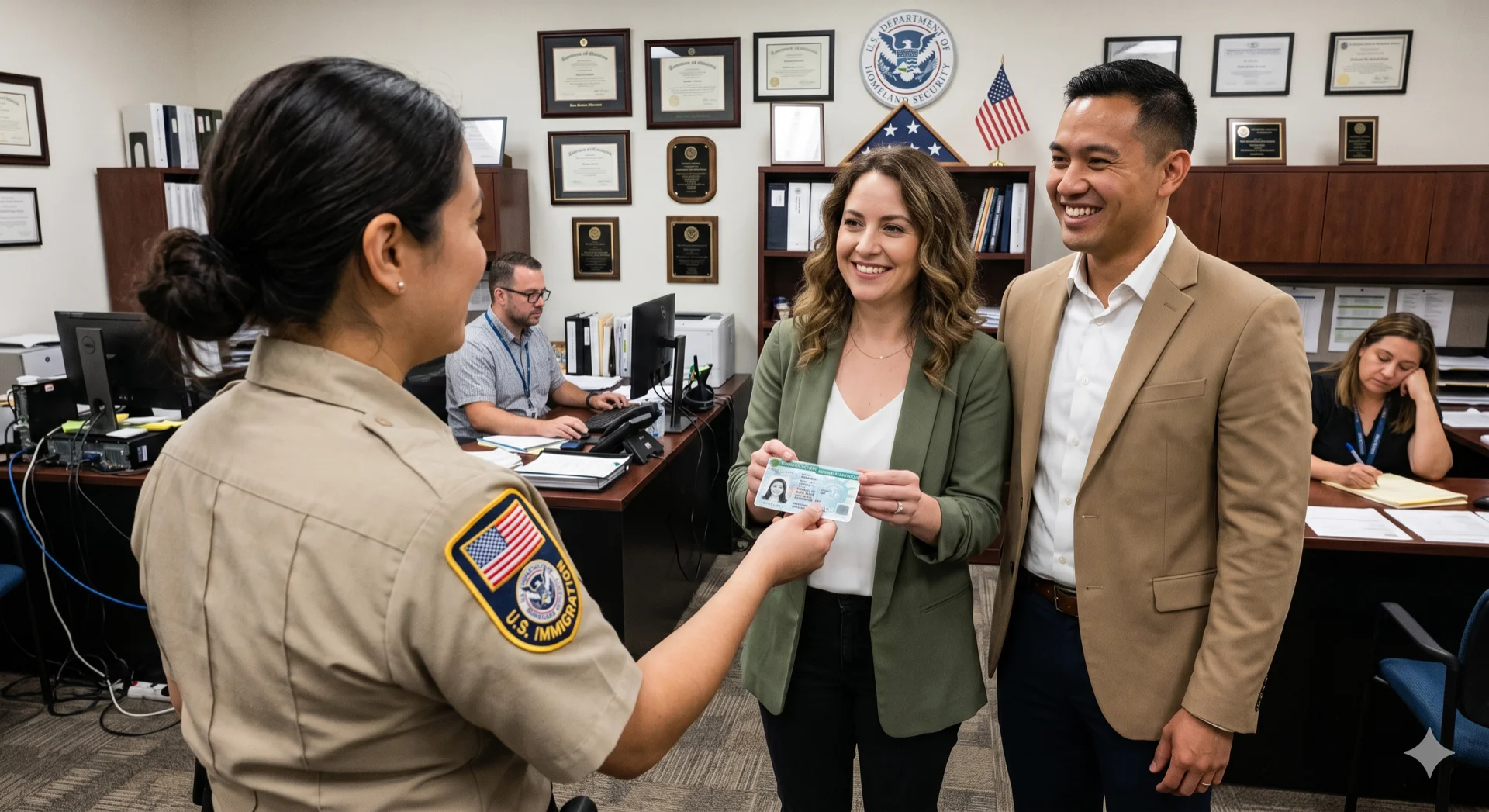
Immigration Waivers (Waivers of Inadmissibility): Complete Guide
An immigration waiver allows you to overcome grounds of inadmissibility to the United States to obtain a visa or permanent residency.
5.0★★★★★21 Google reviews3
Waiver Types
I-601, I-601A, and I-212 available.
12-36
Months Processing
Estimated I-601A timeline.
4-8
Months I-601
Processing from abroad.
65%+
Cases Approved
Approval rate with strong evidence.
What is an Immigration Waiver?
An immigration waiver is a formal request submitted to USCIS to overcome a ground of inadmissibility to the United States. It allows individuals with immigration impediments — such as unlawful presence, fraud, or certain convictions — to obtain a visa or permanent residency.
- ✓The key requirement is demonstrating "extreme hardship" for a qualifying relative.
- ✓The I-601A is filed from within the US before the consular interview.
- ✓The first filing is the most important — present the strongest possible case.
Types of Immigration Waivers
- I-601 (Waiver of Inadmissibility): For individuals outside the US or in consular processing. Covers unlawful presence, fraud, and certain crimes.
- I-601A (Provisional Waiver): Filed from within the US before the consular interview. Only for unlawful presence.
- I-212 (Permission to Reapply for Admission): For deported individuals who wish to return before the bar period expires (5, 10, or 20 years)
Qualification Requirements
- Qualifying relative: Spouse, parent who is a US citizen or permanent resident
- Extreme hardship: Demonstrate that denial would cause excessive suffering to the relative
- Strong documentation: Medical, financial, psychological evidence and family ties
- Case merit: Favorable balance between positive and negative factors
Application Process
- 1AssessmentDetermine eligibility and applicable waiver type.
- 2Gather evidenceMedical, financial documentation, support letters.
- 3Prepare applicationForm with legal brief.
- 4Submit to USCISFiling with complete documentation.
- 5Await decision12-36 months depending on type.
- 6Consular interviewIf approved, attend the consulate.
Common Grounds of Inadmissibility
- Unlawful presence: Staying in the US more than 180 days without authorization triggers 3 or 10-year bars
- Fraud or misrepresentation: Providing false information on visa applications or when entering the US
- Illegal entry: Entering the US without inspection (unauthorized crossing)
- Criminal record: Certain offenses can make a person inadmissible
- Prior immigration violations: Previous deportations, unfulfilled removal orders
What is "Extreme Hardship"?
The most important requirement for I-601 and I-601A waivers is proving that a qualifying relative (US citizen or permanent resident) would suffer "extreme hardship" if the waiver is not approved. Normal family separation is not enough — exceptional hardship must be demonstrated.
- ✓Health: Medical conditions of the relative requiring treatment in the US, mental health issues
- ✓Finances: Severe economic impact, job loss, debts, inability to maintain the household
- ✓Education: Disruption of children's education, special programs unavailable in the other country
- ✓Country conditions: Dangerous conditions, lack of medical access, separation from support community
Processing Times
- I-601A (provisional): 12-36 months processing. Filed before leaving the US.
- I-601 (abroad): 4-8 months. Filed during consular processing.
- I-212: 12-24 months. Allows requesting readmission after deportation.
Need an immigration waiver?
Contact us today and we'll evaluate your case with expert guidance.
Frequently Asked Questions
What is an immigration waiver?
It is a request submitted to USCIS to overcome a ground of inadmissibility. It allows obtaining a visa or residency despite barriers such as unlawful presence or fraud.
How long does the process take?
The I-601A takes 12-24 months. The regular I-601 can take 12-36 months depending on case complexity.
Who qualifies for the I-601A?
Immediate relatives of US citizens, present in the US, whose only impediment is unlawful presence, and who demonstrate extreme hardship.
Can I apply for a waiver if I was deported?
Possibly. Form I-212 allows you to request permission to reapply for admission to the US after deportation. Eligibility depends on the type of deportation and the time elapsed. Consult with a specialist.
What happens if my waiver is denied?
If the I-601A is denied, you can file a motion to reopen or reapply with additional evidence. If the I-601 is denied during consular processing, options are limited but you may inquire about a new application. It's crucial to present the strongest possible case the first time.